What Junk Removal Companies in Dubai Won't Take, and Where It Should Go
Most junk is easy: furniture, appliances, boxes. But a few things get turned away by almost every junk removal company in Dubai, for good reasons. Here's the list, why each one is a problem, and the safe way to get rid of it.
The short version
- Hazardous household waste (paint, solvents, pesticides) needs special handling.
- Gas cylinders go back to your gas supplier.
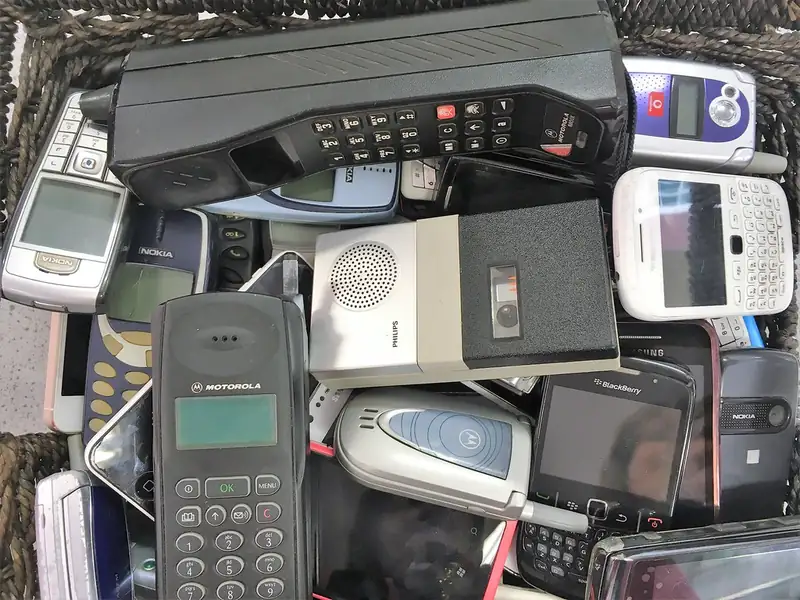
- Loose lithium batteries go to a recycling point, never the bin.
- Medical waste, asbestos and heavy rubble need licensed specialists.
Why some things get refused
It isn't fussiness. Some waste can hurt the crew, catch fire in the truck, contaminate a whole load that would otherwise be recycled, or legally has to go through a licensed handler. A responsible company turns these items away and tells you where they should go. One that takes everything without question may be dumping the problem somewhere else.
Paint, solvents and chemicals
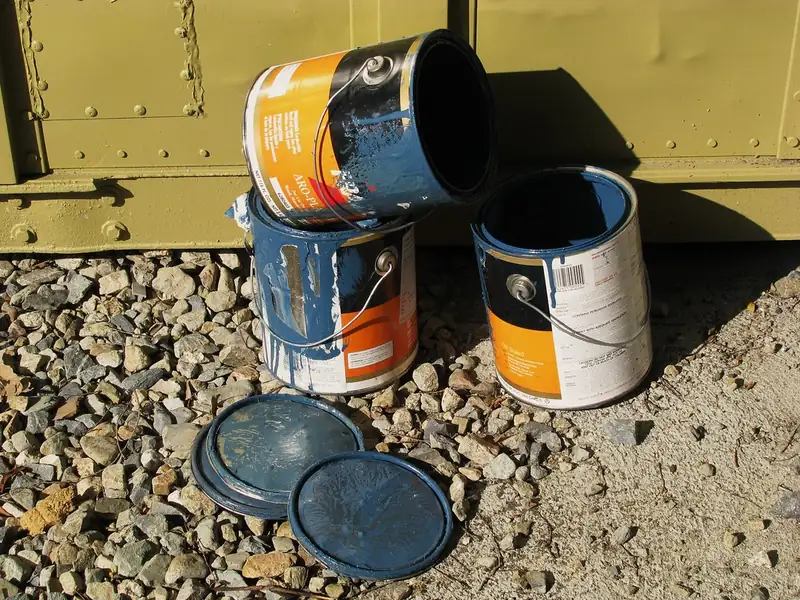
What: paint tins, thinners, varnish, pesticides, pool chemicals, strong cleaning products, motor oil.
Why: they're flammable, toxic or both, and leaks contaminate everything around them.
Instead: keep them sealed in their original containers, away from heat. Use up what you can or give usable paint to a neighbour. For disposal, ask Dubai Municipality (800900) about hazardous household waste. Workshops and businesses need a licensed hazardous waste contractor.
Gas cylinders
Why: even an "empty" LPG cylinder can hold gas, and a damaged one in a truck is an explosion risk.
Instead: cylinders usually belong to the gas supplier. Call your supplier to collect or exchange them. If your barbecue is going, take the cylinder off first.
Batteries
Why: lithium batteries (phones, laptops, power banks, e-scooters, vapes) can catch fire when crushed, and car batteries contain acid and lead.
Instead: take small batteries to a recycling point. Dubai Municipality's Smart Sustainability Oasis stations list batteries among the materials they accept. Tape over the terminals first. Car batteries usually go back to a garage or battery shop when you buy a new one. More in our e-waste recycling guide.
Medical and clinical waste
What: needles and sharps, used dressings in quantity, medical equipment from home care, old medicines.
Why: infection and injury risk; medical waste has its own licensed disposal system.
Instead: put sharps in a proper sharps container and ask your pharmacy, clinic or home-care provider how to dispose of it. Ask your pharmacy about expired medicines.
Asbestos
Why: asbestos fibres are dangerous to breathe, and removal is strictly regulated.
Instead: if you suspect asbestos in an older building (old roof sheets, pipe lagging, some old floor tiles), don't break or move it. Use a licensed specialist.
Heavy construction rubble
What: concrete, bricks, tiles, plaster and large amounts of renovation debris.
Why: it's extremely heavy, and it has to go to construction waste facilities.
Instead: book a skip, or make debris removal part of your contractor's job. Small amounts of light DIY leftovers can sometimes go with a normal pickup; ask first.
Food and everyday household waste
Your kitchen bin goes in your building chute or community bins, as normal. Junk removal is for bulky items, not daily rubbish.
Tyres and car parts
Tyre shops and garages usually take old tyres and parts when you buy replacements. Ask when you book the work.
Fine, but tell us first
- Mattresses that had bed bugs: wrap them fully in plastic first.
- Fridges and freezers: defrost them the day before.
- Very heavy items: safes, treadmills, pianos and marble tables need planning and extra hands.
- Split AC units: an AC technician has to take them down first.
Please don't hide things in the load
A tin of paint inside a box, a gas bottle under a pile of cushions: it happens, and it puts the crew and the truck at risk. If you're unsure about something, send a photo and ask. You'll get a straight answer, and if it's something we can't take, we'll tell you where it can go. Our what we take page has the full A to Z.
Household hazardous waste, room by room
Most homes have a few items that need special handling. A quick tour:
- Kitchen: drain cleaners, oven cleaners, bleach in large amounts
- Bathroom: old medicines, aerosol cans, nail polish remover
- Store room and garage: paint, thinners, varnish, pesticides, pool chemicals, motor oil, car batteries
- Around the house: loose batteries, power banks, old fluorescent tubes and energy-saving bulbs
Keep these out of the junk pile. Group them together, keep them in their original containers with the lids on, and deal with them separately.
Aerosols, fire extinguishers and fluorescent tubes
Aerosol cans can explode when crushed or heated, so they shouldn't go in a junk load. Use them up completely before disposal. Fire extinguishers are pressurised: a fire safety company can service, refill or take back old ones. Fluorescent tubes and energy-saving bulbs contain a small amount of mercury, so wrap them so they don't break and take them to a collection point that accepts lamps. Some e-waste recyclers list lamps among the items they accept.
Why mixing hazardous items into a load is risky
A pressurised can in a compressing truck, a leaking paint tin soaking into a sofa that could have been reused, a swollen battery in a pile of cardboard: one hidden item can cause a fire, ruin a whole load of reusable furniture, or injure someone. That's why responsible companies check loads, and why it's worth asking when you're unsure.
If you're moving out with leftover paint
Leftover paint is common at move-out, especially if you've touched up walls for the inspection. If it's still usable, offer it to the building maintenance team or a neighbour, since the same colour is often used throughout a building. If it isn't, keep it sealed and ask about hazardous household waste disposal, rather than putting it in the bin room.
Quick answers
Do junk removal companies take paint?
Most don't, because paint and solvents are hazardous. Keep them sealed and ask Dubai Municipality about hazardous waste disposal.
How do I get rid of an empty gas cylinder in Dubai?
Return it to your gas supplier, who usually owns the cylinder and will collect or exchange it.
Where do I dispose of old batteries in Dubai?
At a recycling point such as Dubai Municipality's Smart Sustainability Oasis, which lists batteries among accepted materials. Car batteries usually go back to a garage.
Can junk removal companies take construction waste?
Small amounts of light DIY waste, sometimes. Heavy rubble, concrete and tiles need a skip or a licensed contractor.
How do I dispose of old fluorescent tubes?
Wrap them so they don't break and take them to a collection point that accepts lamps. Don't put them in the household bin.
What do I do with an old fire extinguisher?
Contact a fire safety company: they can service, refill or take back old extinguishers.
Sources we checked (27 Nov 2026). Rules and contact details change, so confirm with the organisation before you rely on them.